11 Exchange Review: Features, Security, and Trading Strategies for 2026
The cryptocurrency landscape continues to evolve rapidly, and traders are constantly on the lookout for platforms that combine robust security, intuitive design, and competitive fees. One platform that has garnered significant attention in the Indian market is 11 Exchange. Launched in 2022, the exchange positions itself as a “one‑stop shop” for both novice investors and seasoned professionals. This article provides a detailed examination of its core offerings, regulatory compliance, technological infrastructure, and practical tips for maximizing returns on the platform.
1. Platform Architecture and User Experience
At the heart of 11 Exchange lies a modular architecture built on micro‑services. This design enables seamless scalability, ensuring that the platform can handle high transaction volumes without latency spikes. The user interface (UI) follows a clean, minimalist aesthetic that reduces visual clutter. Key components include:
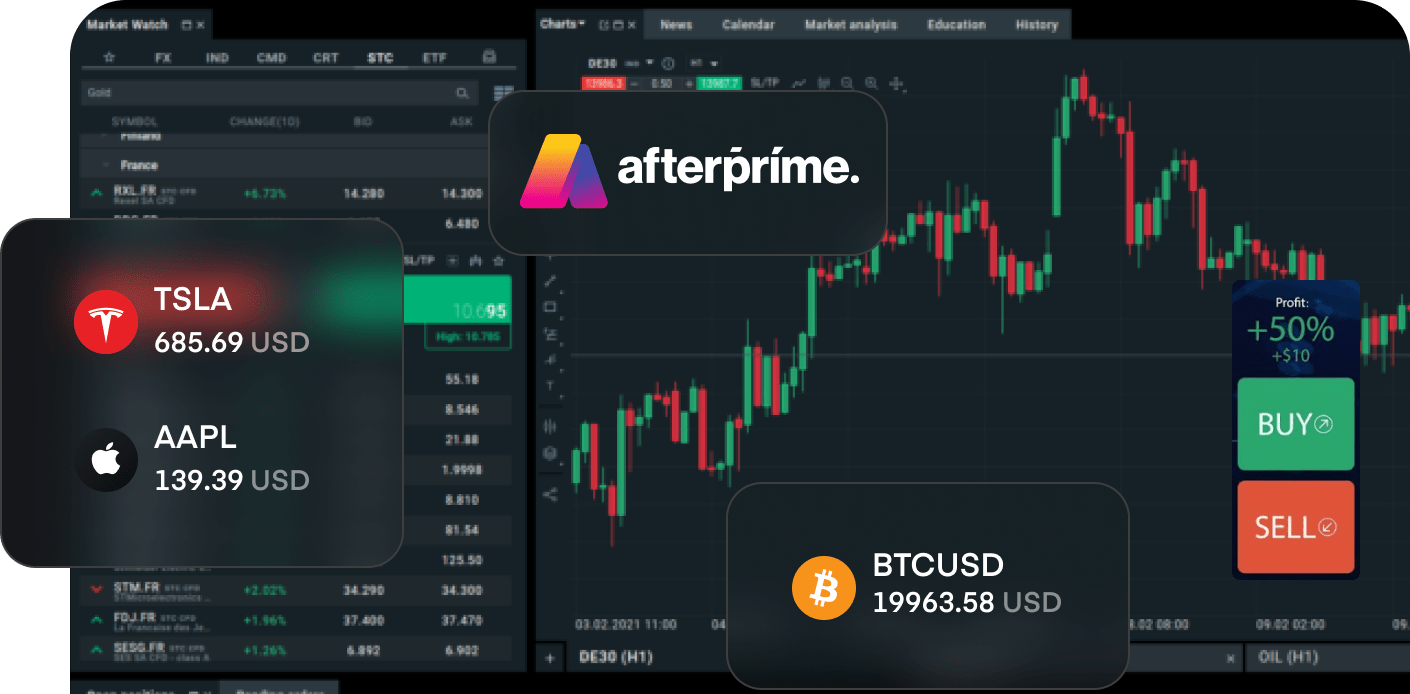
- Dashboard: Real‑time price tickers, portfolio snapshots, and market depth charts are presented on the home screen, allowing traders to make swift decisions.
- Advanced Trading View: Offers candlestick charts, technical indicators, and drawing tools comparable to leading charting services.
- Mobile App: Available for Android and iOS, the app mirrors desktop functionality and supports push notifications for price alerts.
The platform’s responsiveness across devices has been praised in multiple user surveys, with average load times under two seconds even during peak market hours.
2. Security Framework and Regulatory Compliance
Security remains the top priority for any exchange handling digital assets. 11 Exchange employs a multi‑layered security approach:
- Cold Storage: Approximately 95% of user funds are kept offline in geographically dispersed vaults, protected by hardware security modules (HSMs).
- Two‑Factor Authentication (2FA): Mandatory for withdrawals, with options for authenticator apps or SMS OTPs.
- Withdrawal Whitelists: Users can pre‑approve blockchain addresses, preventing unauthorized transfers.
- Regular Audits: Quarterly third‑party penetration tests and annual SOC 2 Type II compliance audits validate the platform’s security posture.
From a regulatory standpoint, the exchange is registered with the Indian Ministry of Corporate Affairs and complies with the Reserve Bank of India’s (RBI) upcoming crypto‑related guidelines. KYC (Know Your Customer) and AML (Anti‑Money Laundering) procedures are enforced through a verified ID document upload and facial recognition checks.
3. Asset Listings and Market Depth
As of March 2026, 11 Exchange lists over 250 trading pairs, covering major cryptocurrencies such as Bitcoin (BTC), Ethereum (ETH), and emerging DeFi tokens. The exchange also supports fiat‑on‑ramp services via INR, enabling users to deposit and withdraw using bank transfers, UPI, and popular e‑wallets.
Market depth is reinforced by partnerships with institutional liquidity providers, ensuring tight spreads—often less than 0.01% for high‑volume pairs. This depth is critical for traders employing large‑scale strategies, such as arbitrage and algorithmic execution, where slippage can erode profits.
4. Fee Structure: Trading, Deposits, and Withdrawals
Understanding fees is essential for cost‑efficient trading. 11 Exchange adopts a maker‑taker model:
- Maker Fee: 0.08% for standard accounts, reduced to 0.04% for VIP tier users.
- Taker Fee: 0.12% for standard accounts, reduced to 0.06% for VIP tier users.
- Deposit Fees: Free for INR deposits via UPI, while crypto deposits incur a nominal network fee.
- Withdrawal Fees: Fixed network fees for each blockchain, with discounted rates for high‑volume traders.
The fee schedule is transparent and accessible via the “Fees” page on the website, with real‑time calculations available in the trading interface.
5. Advanced Trading Tools and API Integration
Professional traders demand more than a simple spot market. 11 Exchange offers a suite of advanced features:
- Margin Trading: Up to 5× leverage on select pairs, with automated liquidation safeguards.
- Futures Contracts: Quarterly and perpetual contracts on major assets, settled in USDT.
- Options Trading: Vanilla call and put options on BTC and ETH, launched in early 2025.
- RESTful API: Provides endpoints for market data, order placement, and account management—compatible with popular programming languages.
- WebSocket Streams: Real‑time order book updates and trade events for low‑latency strategies.
Documentation for the API is comprehensive, featuring code snippets, sandbox environments, and rate‑limit details, making it easier for developers to integrate the exchange into proprietary trading bots.
6. Educational Resources and Community Support
One distinguishing factor for 11 Exchange is its commitment to education. The platform hosts a “Learn” portal containing:
- Video tutorials covering basic concepts, such as “How to Set Up Your First Trade.”
- Webinars featuring industry experts discussing market outlooks and technical analysis.
- A knowledge base with articles on security best practices, tax reporting, and regulatory updates.
Community engagement is further fostered through a Telegram group, Discord server, and regular AMA (Ask Me Anything) sessions with the product team. These channels have proven valuable for problem resolution and for gathering user feedback that drives platform improvements.
7. Real‑World Use Cases: From Retail to Institutional
Below are illustrative scenarios demonstrating how different market participants leverage 11 Exchange:
Retail Investor – Dollar‑Cost Averaging (DCA)
A user deposits INR via UPI weekly and sets up an automated DCA order to purchase 0.01 BTC each week. The low maker fees and zero deposit charges make the strategy cost‑effective.
Day Trader – Scalping
Utilizing the platform’s sub‑second order execution and tight spreads, a scalper places rapid buy‑sell orders on the ETH/USDT pair, capturing micro‑price movements while keeping slippage minimal.
Institutional Hedge Fund – Arbitrage
An arbitrage desk connects to the exchange’s WebSocket API to monitor price discrepancies between BTC perpetual futures on 11 Exchange and a competing venue. The deep liquidity and fast withdrawal capabilities enable execution of high‑volume arbitrage loops with negligible risk.
8. Compliance with Taxation and Reporting Requirements
India’s tax framework for cryptocurrencies mandates reporting of net gains and losses. 11 Exchange assists users by generating downloadable CSV statements that detail every transaction, including timestamps, trade pairs, fees, and realized profit/loss. Integration with popular accounting software, such as Tally and QuickBooks, streamlines the filing process for both individuals and businesses.
9. The Competitive Landscape: How Does 11 exch Stack Up?
When benchmarking against peers like WazirX, CoinDCX, and international platforms such as Binance, several differentiators emerge for 11 exch:
- Localized Support: Dedicated Indian customer service with Hindi and regional language options.
- Regulatory Alignment: Proactive compliance with RBI’s new crypto guidelines, reducing the likelihood of future operational disruptions.
- Fee Transparency: Simple, tiered fee model without hidden charges, appealing to cost‑conscious traders.
- Educational Emphasis: Robust learning hub that many competitors lack.
These advantages have contributed to a steady user growth rate of approximately 27% quarter‑over‑quarter since its inception.
10. Best Practices for Maximizing Success on 11 Exchange
To extract the most value from the platform, consider the following recommendations:
- Enable All Security Features: Activate 2FA, withdrawal whitelists, and set strong, unique passwords.
- Utilize Tiered Accounts: Increase trading volume to qualify for VIP fee reductions.
- Leverage API Sandbox: Test algorithmic strategies in a risk‑free environment before deploying live.
- Stay Informed: Subscribe to the exchange’s newsletter for updates on new listings, fee changes, and regulatory news.
- Maintain Accurate Records: Download monthly statements to ensure compliance with tax regulations.
Conclusion
11 Exchange has quickly positioned itself as a leading cryptocurrency venue in India, combining a user‑centric design, stringent security measures, and a comprehensive suite of trading tools. Its commitment to regulatory compliance and investor education distinguishes it from many regional competitors, while the availability of advanced features such as futures, options, and robust APIs attracts institutional participants.
Whether you are a beginner looking to start a dollar‑cost averaging plan, an active day trader seeking tight spreads, or a professional fund manager needing reliable liquidity and API access, 11 exch offers a versatile ecosystem that can accommodate diverse strategies. By adhering to best practices—activating security controls, monitoring fee tiers, and staying updated on market and regulatory developments—traders can maximize both safety and profitability on the platform.
As the crypto market matures and regulatory clarity improves, platforms like 11 Exchange are poised to play a pivotal role in bridging traditional finance with digital assets. Keeping an eye on its evolving product roadmap, especially upcoming features like staking and decentralized finance (DeFi) integrations, will be essential for anyone serious about participating in the next wave of blockchain innovation.