Flexible Video Bronchoscope: Uses, Benefits, and Modern Advancements
A flexible video bronchoscope is a modern medical device used by doctors to examine the inside of the airways and lungs. It plays an important role in diagnosing and treating many respiratory conditions. This advanced instrument provides high-quality imaging and allows physicians to observe the bronchial passages with greater clarity and precision. With improved visualization and flexibility, it has become an essential tool in pulmonary medicine and minimally invasive procedures.
What Is a Flexible Video Bronchoscope?
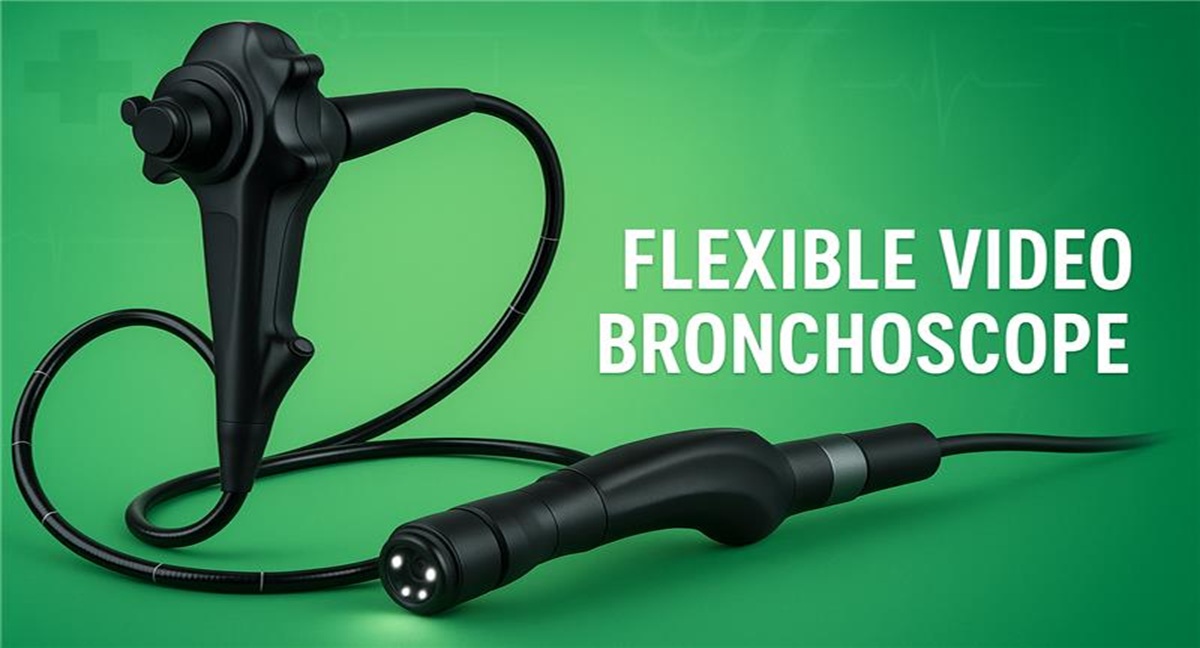
A flexible video bronchoscope is a thin, tube-like instrument equipped with a tiny camera and light source at its tip. The device is designed to pass through the nose or mouth and move gently into the trachea and bronchial tubes. The camera transmits real-time video images to a monitor, allowing medical professionals to examine the respiratory tract in detail.
Unlike older fiber-optic scopes, modern video models use advanced digital imaging technology. This provides clearer images and improves diagnostic accuracy. Doctors can observe abnormalities such as inflammation, blockages, tumors, or infections in the airways without the need for major surgery.
Components of the Device
A flexible video bronchoscope includes several important components that help it function effectively:
Insertion Tube:
This long, flexible tube is designed to navigate the curves of the respiratory tract safely. It is thin enough to minimize patient discomfort during examination.
Video Camera:
A high-resolution camera at the tip captures detailed images and videos of the bronchial passages.
Light Source:
LED or fiber-optic lighting illuminates the airways, helping doctors clearly visualize internal structures.
Control Section:
The handle contains controls that allow the operator to maneuver the tip and adjust the viewing direction.
Working Channel:
This channel allows doctors to insert medical tools such as biopsy forceps, suction tubes, or brushes for sample collection.
These components work together to ensure that examinations are both accurate and minimally invasive.
Common Medical Uses
A flexible video bronchoscope is used for a wide range of diagnostic and therapeutic procedures in respiratory care. Some common uses include:
Diagnosing Lung Diseases
Doctors use the device to identify conditions affecting the lungs and airways. It helps detect infections, tumors, inflammation, or structural abnormalities.
Biopsy Collection
When suspicious tissue is found, doctors can collect a small sample using specialized instruments inserted through the working channel. The sample is then analyzed in a laboratory.
Removing Foreign Objects
If a patient inhales a foreign object, the bronchoscope can help locate and remove it safely.
Treating Airway Blockages
Medical specialists may use the device to clear mucus plugs, treat narrowed airways, or place stents.
Monitoring Chronic Conditions
Patients with long-term respiratory diseases such as chronic bronchitis or lung cancer may undergo bronchoscopy for monitoring and treatment planning.
These procedures help physicians make accurate diagnoses while avoiding invasive surgery.
Advantages of Using This Technology
The flexible video bronchoscope offers several advantages compared with traditional diagnostic methods. These benefits have made it a preferred option in modern healthcare facilities.
High-Quality Imaging
Digital cameras provide detailed and clear visualization of the respiratory tract. This allows doctors to identify abnormalities at an early stage.
Minimally Invasive Procedure
The flexible design allows the scope to move smoothly through the airways with minimal discomfort. Patients often recover quickly after the examination.
Real-Time Observation
Doctors can observe the airway structures in real time, enabling immediate diagnosis and decision-making.
Versatility in Procedures
The working channel allows multiple medical tools to be used during the procedure, making the device useful for both diagnosis and treatment.
Reduced Recovery Time
Since bronchoscopy is minimally invasive, patients typically return to normal activities much sooner than after surgical procedures.
How the Procedure Is Performed
Before the bronchoscopy procedure begins, the patient is usually given a mild sedative and local anesthesia to reduce discomfort. The doctor then gently inserts the flexible video bronchoscope through the nose or mouth and guides it into the airway.
As the scope advances, the camera sends images to a monitor, allowing the physician to carefully examine the bronchial tubes. If necessary, the doctor may take tissue samples, remove secretions, or perform other medical interventions.
The entire procedure usually takes between 20 and 40 minutes. After completion, the patient is monitored for a short period before going home.
Safety and Patient Comfort
Modern bronchoscopy techniques are considered safe and widely practiced in hospitals around the world. Medical professionals follow strict sterilization and procedural guidelines to ensure patient safety.
Possible side effects are generally mild and temporary. Some patients may experience a sore throat, coughing, or mild discomfort after the procedure. Serious complications are rare when the procedure is performed by trained specialists.
To improve patient comfort, modern devices are designed with ergonomic features, flexible insertion tubes, and high-definition cameras that reduce the need for prolonged examination.
Technological Advancements
Medical technology continues to improve the performance of bronchoscopy equipment. Recent innovations have significantly enhanced the capabilities of flexible video bronchoscopes.
High-Definition Imaging
Many devices now include HD cameras that provide extremely detailed views of airway tissues. This helps detect small lesions or early-stage abnormalities.
Narrow Band Imaging
Some advanced systems use special light filters to highlight blood vessels and tissue patterns. This improves the detection of early lung cancer.
Improved Maneuverability
Modern designs allow smoother navigation through complex airway structures. This makes procedures safer and more efficient.
Integration With Digital Systems
New systems can store images and videos digitally, allowing doctors to review procedures, share results with specialists, and maintain accurate patient records.
These innovations continue to expand the role of bronchoscopy in respiratory diagnosis and treatment.
Importance in Modern Healthcare
Respiratory diseases are among the most common health problems worldwide. Accurate diagnosis and early detection are essential for effective treatment. The flexible video bronchoscope plays a key role in achieving these goals.
By providing direct visualization of the airways, this device helps doctors identify problems that may not appear clearly in imaging tests such as X-rays or CT scans. It also enables minimally invasive procedures that reduce patient risk and recovery time.
Hospitals, diagnostic centers, and specialized pulmonary clinics rely on this technology to deliver high-quality care. As healthcare systems continue to adopt advanced diagnostic tools, the importance of bronchoscopy equipment continues to grow.
Conclusion
The flexible video bronchoscope has transformed the way respiratory diseases are diagnosed and treated. Its advanced imaging technology, flexible design, and minimally invasive approach make it an essential tool in modern pulmonary medicine.
From detecting lung infections to performing biopsies and removing airway blockages, this device supports a wide range of medical procedures. Continuous technological improvements are making bronchoscopy safer, more efficient, and more comfortable for patients.
As healthcare continues to advance, the flexible video bronchoscope will remain a vital instrument for improving respiratory diagnosis and enhancing patient outcomes.