
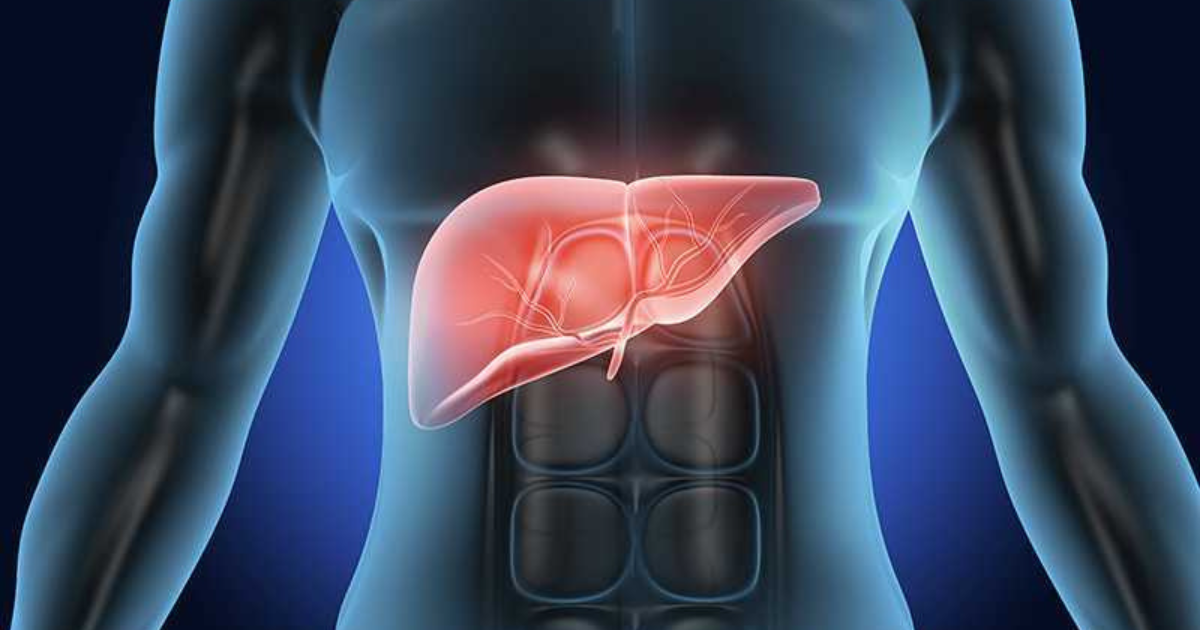
Liver Cirrhosis Stem Cell Treatment: A Modern Approach to Liver Healing
The liver is one of the most important organs in the human body. It helps remove toxins, produce proteins, store energy, and support digestion. When the liver becomes severely damaged over time, a condition known as cirrhosis can develop. This disease occurs when healthy liver tissue is replaced with scar tissue, making it difficult for the organ to work properly. Many patients are now exploring Liver Cirrhosis Stem Cell Treatment as an innovative option that may help repair damaged liver tissue and improve overall liver function.
Understanding Liver Cirrhosis
Cirrhosis is a chronic liver condition that usually develops after years of ongoing damage. Common causes include long-term alcohol consumption, viral hepatitis infections, fatty liver disease, and certain genetic disorders. As the disease progresses, the liver gradually loses its ability to perform essential tasks.
Symptoms often appear slowly and may include fatigue, weakness, swelling in the legs or abdomen, yellowing of the skin and eyes, loss of appetite, and easy bruising. In advanced stages, complications such as internal bleeding, infections, and liver failure can occur.
Traditional treatments focus mainly on slowing the progression of the disease and managing symptoms. However, these methods do not always repair the damaged tissue. This is why regenerative medicine is gaining attention.
What Are Stem Cells?
Stem cells are special cells that have the ability to develop into different types of cells in the body. They also play a role in repairing damaged tissues. Because of these unique properties, scientists and doctors have been studying their potential in treating many diseases, including liver disorders.
In medical therapy, stem cells are usually collected from sources such as bone marrow, adipose (fat) tissue, or umbilical cord tissue. After processing, they are introduced into the patient’s body to support tissue repair and regeneration.
How Stem Cells May Help Liver Damage
When stem cells are introduced into the body, they can support healing in several ways. They may help reduce inflammation, stimulate tissue repair, and support the growth of new healthy cells. In liver conditions, these regenerative properties may assist in improving liver performance and slowing disease progression.
This approach aims to encourage the body to repair damaged liver tissue naturally. Instead of replacing the entire organ, regenerative therapy focuses on restoring function through cellular support.
Procedure Overview
The process of Liver Cirrhosis Stem Cell Treatment usually involves several steps. First, doctors perform a full medical evaluation to determine whether the patient is suitable for the therapy. Blood tests, imaging scans, and liver function assessments may be required.
Once approved, stem cells are prepared from a safe source. In many cases, minimally invasive methods are used to collect the cells. After processing in a laboratory, the cells are delivered into the patient’s bloodstream or directly into the liver through a specialized medical procedure.
The entire process is generally performed under medical supervision and may take a few hours. Many patients can return home on the same day or after a short observation period.
Potential Benefits
Many researchers believe that regenerative therapies could offer several potential advantages for patients suffering from severe liver damage. Some of the possible benefits include:
-
Supporting natural liver repair mechanisms
-
Reducing inflammation in liver tissues
-
Improving liver function over time
-
Slowing the progression of cirrhosis
-
Enhancing overall quality of life
It is important to understand that results may vary from patient to patient. Factors such as the stage of liver disease, lifestyle habits, and overall health can influence the outcome.
Safety and Medical Supervision
Medical professionals emphasize that regenerative therapies must be performed under proper clinical guidelines. Qualified specialists evaluate each patient carefully before recommending the procedure.
While many studies have shown promising outcomes, ongoing research continues to explore the full potential and long-term effectiveness of these therapies. Patients should always consult experienced doctors before deciding on any advanced treatment.
Hospitals and regenerative medicine centers follow strict protocols for cell preparation, quality control, and patient safety. This helps ensure that the therapy is conducted in a controlled and professional medical environment.
Lifestyle Support for Liver Health
Even with advanced medical therapies, lifestyle changes remain an essential part of managing liver disease. Doctors often recommend maintaining a healthy routine to support recovery and protect liver function.
Important lifestyle recommendations include:
-
Avoiding alcohol and harmful substances
-
Following a balanced and nutritious diet
-
Maintaining a healthy weight
-
Staying physically active with moderate exercise
-
Managing underlying conditions such as diabetes or hepatitis
These steps can help reduce further liver damage and improve overall well-being.
The Future of Regenerative Medicine
Research in regenerative medicine continues to grow rapidly. Scientists are studying how stem cells interact with damaged tissues and how they can be used more effectively in treating complex diseases. New clinical trials and medical innovations are expanding our understanding of these therapies.
Many experts believe that regenerative medicine could become an important part of future healthcare. As technology advances, treatments may become more precise, effective, and widely available.
For patients facing serious liver conditions, exploring modern medical approaches may provide additional hope and new possibilities for recovery.
Conclusion
Cirrhosis is a serious health condition that affects millions of people worldwide. Traditional treatments often focus on symptom management rather than repairing the underlying damage. Today, regenerative medicine offers a new perspective in addressing chronic liver diseases.
Liver Cirrhosis Stem Cell Treatment is being studied as a promising approach that may support tissue repair and improve liver function. Although ongoing research is still exploring its full potential, many patients and medical professionals see it as an encouraging development in modern healthcare.
Anyone considering advanced therapies should consult qualified healthcare providers, review available medical evidence, and choose reputable treatment centers. With proper care, medical guidance, and healthy lifestyle habits, patients can take important steps toward better liver health and improved quality of life.